
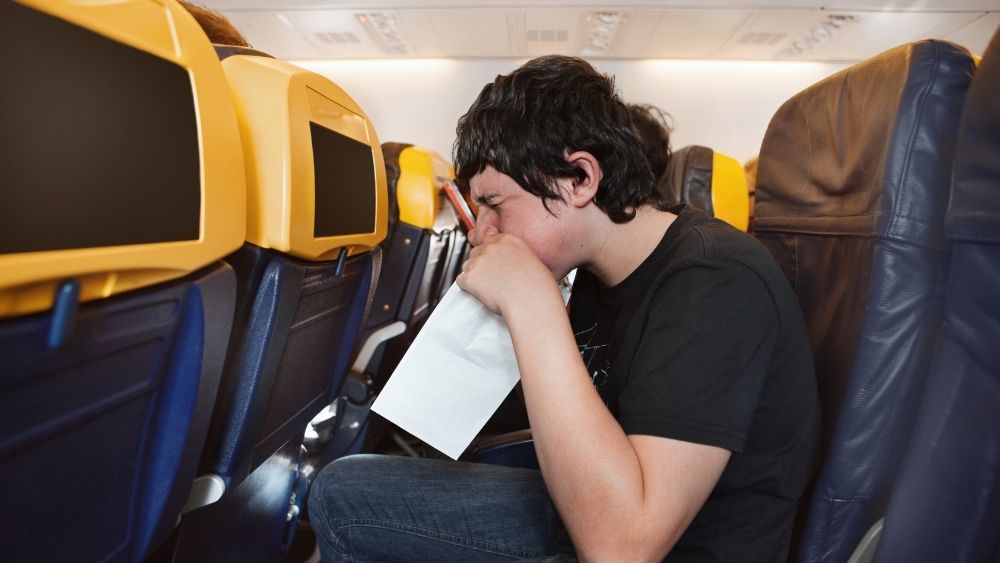



Travel sickness, also known as motion sickness, occurs when the brain receives mixed signals from the eyes and inner ear about movement. It can happen during travel by car, boat, plane, or train, when the body is in motion but the surroundings appear still, or vice versa. This sensory confusion triggers nausea and discomfort and can affect both children and adults, though some people are more prone to it than others.
The most common symptoms include dizziness, nausea, cold sweats, and vomiting. Some people also experience pale skin, headaches, or fatigue during or after travel. Symptoms often worsen when reading, looking down, or focusing on a fixed point inside a moving vehicle. Once movement stops, the symptoms usually ease within minutes to hours.
Motion sickness occurs because the inner ear, which controls balance, senses motion that the eyes may not see — for example, when sitting in a car but looking at a stationary object inside it. The brain’s confusion about movement triggers an automatic response that leads to nausea and other symptoms. Fatigue, anxiety, or strong smells can make symptoms worse.