

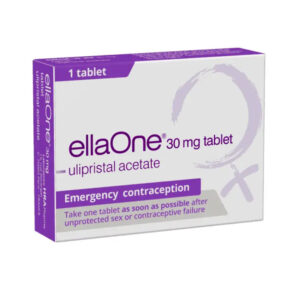

Emergency contraception is used to prevent pregnancy after unprotected sex or contraceptive failure, such as a broken condom or missed pills. It works by delaying or preventing ovulation so that an egg is not released for fertilisation. Emergency contraception is most effective when taken as soon as possible after intercourse, but options are available for use within several days, depending on the method.
There are two main types of emergency contraception: emergency contraceptive pills and the copper intrauterine device (IUD). The pills are designed for short-term use after unprotected sex and can be taken up to a few days later, though effectiveness decreases over time. The copper IUD can be fitted by a healthcare professional within five days and is the most effective form, also providing long-term contraception if desired.
Emergency contraception does not end an existing pregnancy or cause harm to a developing embryo. Its purpose is to prevent fertilisation or implantation before pregnancy begins. It is safe for most people to use and does not affect future fertility or regular contraceptive use.